
Why Travelers Are Switching to eSIM Before They Even Pack

Trish JonesTravel Blogger
Published:
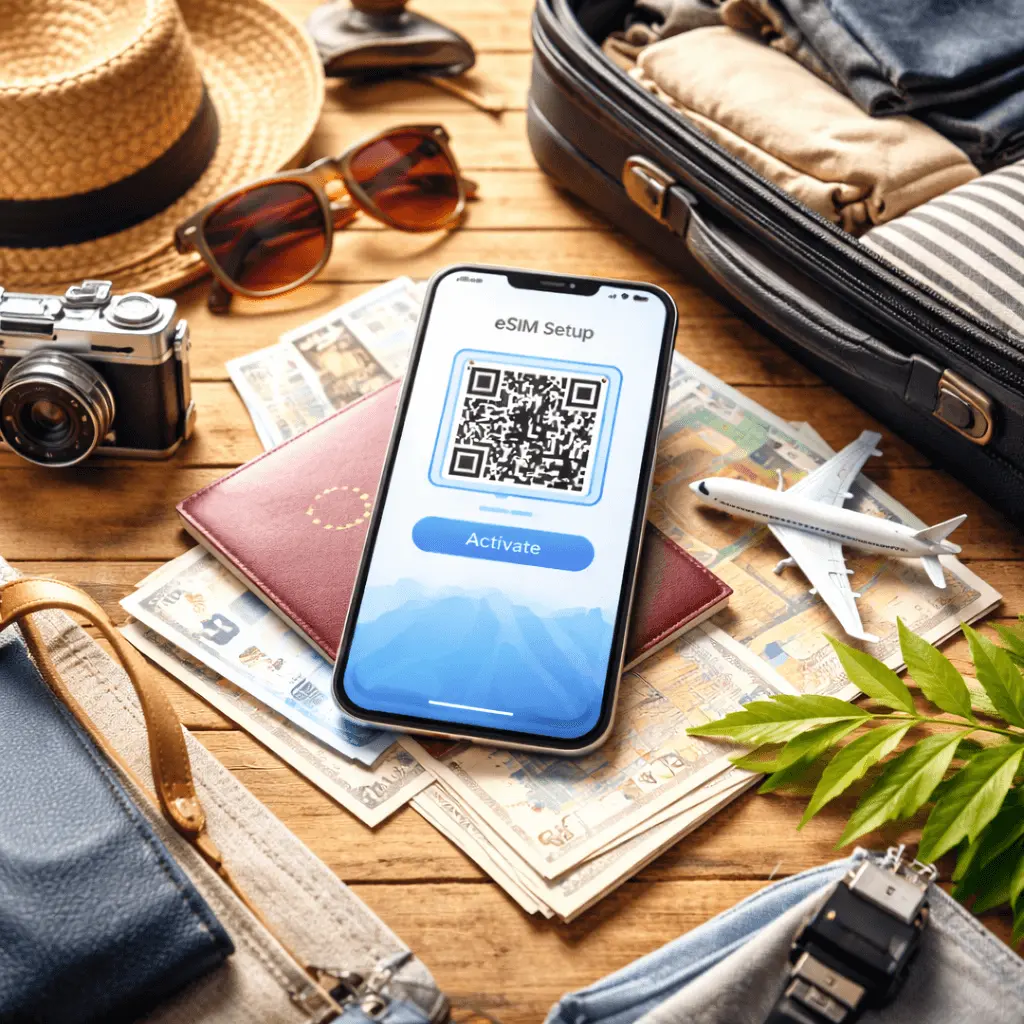
There’s a moment every traveler knows too well: you land, you’re tired, you need directions, and your phone is suddenly… useless. No data. No map. No ride-hailing. Maybe the airport Wi-Fi is slow, maybe it requires a local number, or maybe it just doesn’t connect at all. And then the familiar scramble begins: find a SIM kiosk, wait in line, compare confusing plans, deal with a language barrier, and hope you don’t lose that tiny SIM card when you swap it.
More and more travelers are choosing a different approach. Instead of treating connectivity as something to solve after they arrive, they’re switching to eSIM before they even pack.
Not because they’re tech experts — but because it’s the simplest way to make travel smoother from the very first step.
The New Travel Routine Starts Before the Suitcase
Travel has become more digital than ever. We book hotels from our phones, store boarding passes in apps, and manage itineraries through email. Connectivity isn’t a “nice to have” anymore — it’s the foundation for everything else.
That’s why travelers now plan their mobile data the same way they plan flights and accommodation: ahead of time.
With an eSIM, you can set up a travel data plan in minutes, while you’re still at home and on stable Wi-Fi. You don’t need to buy anything physical, and you don’t need to visit a store.
If you want, this is a perfect place to link a phrase like explore travel eSIM plans or choose your destination plan.
What eSIM Actually Changes for Travelers
An eSIM is a digital SIM built into many modern phones. Instead of inserting a plastic card, you download a plan to your device.
For travelers, the biggest shift is this: your connection is ready before you arrive.
That means:
• No searching for SIM shops at the airport
• No swapping SIM cards and losing your home SIM
• No waiting to get online
• No guessing roaming charges
And yes, it’s typically as simple as scanning a QR code or installing through an app.
Why Travelers Prefer Setting It Up Early
1) Landing connected feels like a travel superpower
When your data works the moment you turn off airplane mode, everything gets easier. You can:
• Pull up your hotel booking
• Message your driver
• Navigate public transport
• Translate signs
• Let family know you arrived safely
You don’t waste the first hour of a trip “getting your phone working.” You’re immediately in travel mode, not troubleshooting mode.
2) It removes airport decision fatigue
Airports are stressful enough. Buying a SIM after landing usually happens when you’re tired, rushed, and surrounded by confusing options. Some kiosks only accept certain payment methods, and “tourist SIM” prices can be inflated.
With eSIM, you make the decision calmly beforehand. You pick the plan you want, on your terms.
3) It’s ideal for multi-country trips
If you’re visiting more than one country, physical SIM cards become a repeated chore. Travelers who bounce through Europe, Southeast Asia, or island-hopping itineraries don’t want to keep buying new SIMs or dealing with roaming surprises.
Many eSIM options are built for this, with regional or multi-country plans that keep working as you cross borders.
4) You can keep your main number reachable
This is a big one — especially for people who need their number for real life back home.
With dual SIM functionality, many travelers keep their regular SIM active for:
• important calls
• bank alerts
• verification codes
• messages from family or work
…while using the travel eSIM for affordable data.
No SIM swapping. No “my number doesn’t work.” No carrying a second phone.
5) It’s simpler than people think
A lot of travelers assume eSIM is complicated. In reality, if you can use a smartphone camera, you can use an eSIM.
Most setups are just:
• Buy plan
• Install via QR code or app
• it for mobile data
• Travel
That’s it.
A Quick Scenario: The Traveler Who Prepares Once
Imagine this traveler itinerary:
• Day 1: Arrive in Paris
• Day 4: Train to Brussels
• Day 6: Flight to Rome
Old approach: three different SIM situations, or expensive roaming.
eSIM approach: one regional plan set up before departure, data working in each country automatically, and the traveler never thinks about SIM cards again.
That’s the reason people are switching early. It’s not about being fancy — it’s about removing friction.
What to Do Before You Pack
If you want the smooth “arrive connected” experience, these are the only things worth checking:
• Your phone supports eSIM
• Your phone is unlocked
• You choose a plan that matches your destinations and trip length
• You install it while you still have good Wi-Fi
Final Thoughts
Travelers are switching to eSIM before they even pack because it turns connectivity into something you solve once — not something you keep dealing with in every airport.
It saves time, reduces stress, avoids roaming surprises, and makes the first moments of a trip feel smooth instead of chaotic. And once you’ve landed connected a few times, it becomes hard to go back.
If you want your next trip to start the moment you land, a great next step is to explore travel eSIM plans or download the app to manage your data on the go.